


Online Casinos in Quebec 2026: A Canadian Player's Guide to Legality, Licensing, and Choosing Trustworthy Platforms
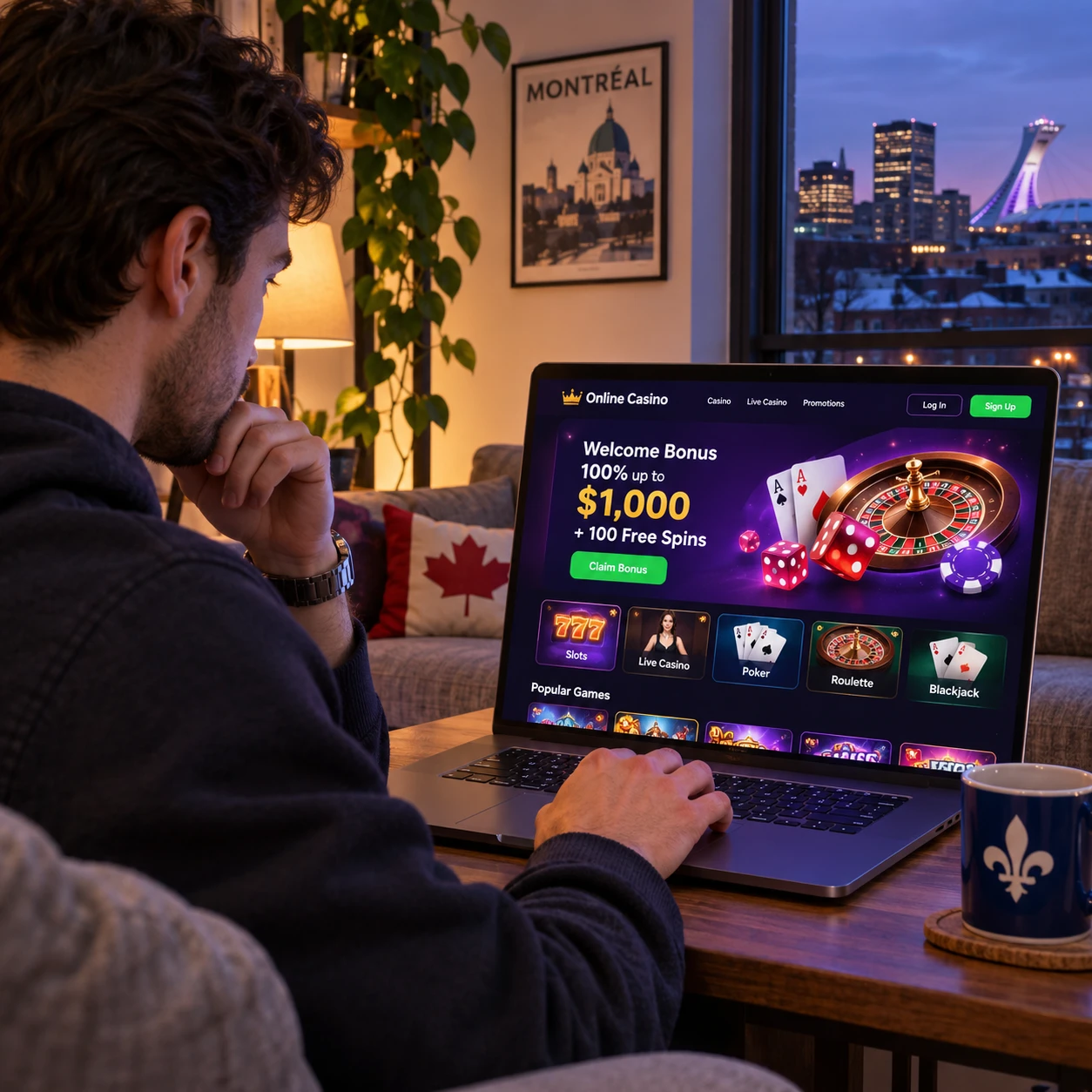
If you live in Quebec and you've ever typed 'casino en ligne' into a search bar, you know how this goes. A wall of flashy banners. '100% bonus' promises. Rankings that all say the same thing in slightly different fonts. Quebecers are among the most active online casino searchers in Canada — and yet the legal picture is a genuine mess: a provincial monopoly, a federally recognized Mohawk territory with its own gaming commission, and hundreds of offshore sites all chasing the same player.
So I wrote this as a practical guide. No hype. It's for Canadian players who want to gamble legally, get paid on time, and know where to find help if it stops being fun. I'll walk through the law, licensing, banking, payout speed, responsible gambling tools, and how to compare platforms using French-language resources built for the Quebec market. Rules shift often — treat all of this as a starting point and verify the details for 2026 before you sign up anywhere.
How Gambling Law Works in Quebec in 2026
The basic structure is the same across Canada. The Criminal Code gives Ottawa the power to criminalize gambling, but it also lets provinces regulate and operate it. In practice, each province decides who gets to offer gambling inside its borders. In Quebec, that job belongs to Loto-Québec, which holds a legal monopoly on most commercial gambling in the province — lotteries, casinos, and its online platform included.
Here's the part a lot of players miss: 'legal in Quebec' and 'legal for Quebecers' are not the same test. A site can be licensed in Malta or Curaçao, happily take players from Quebec, and still sit completely outside provincial regulation. Playing there usually isn't what authorities go after individual players for. But you also don't get the protections of a regulator you can actually reach.
Loto-Québec, Kahnawà:ke, and Who Can Actually Operate
Two lawful channels are the ones most players run into:
- Loto-Québec: the provincial operator, with its own online offering run under Quebec's rules, Quebec-based oversight, and provincial responsible gambling programs.
- The Kahnawà:ke Gaming Commission: a regulator in Mohawk territory near Montreal that has licensed gaming operators since the late 1990s. Many well-known international sites have historically held its license.
How you read a licensing claim matters more than the claim itself. A footer line saying 'licensed and regulated' tells you nothing. You want the name of the authority, a license number, and ideally a way to check that number on the regulator's own website. Can't name the regulator after thirty seconds on the site? That's your answer.
Quebec vs. the Rest of Canada: A Quick Comparison
Ontario took a different route. Through iGaming Ontario, it runs a regulated open market where private operators can be licensed to serve Ontario players. Several other provinces still lean on a crown-corporation model much like Quebec's, with a single provincial operator running the official online platform.
Why should you care? Because a site that's fully regulated in Ontario isn't automatically regulated in Quebec, and the reverse holds too. A glossy 'Canada-friendly' line on an English-language site may only cover one province. Always ask which jurisdiction's rules are actually protecting you.
What to Verify Before You Sign Up at a Casino en Ligne
Vague warnings like 'be careful' help nobody. Here's a repeatable pre-signup checklist I use myself:
- Ownership and corporate address: is there a named company and a real registered address?
- Licensing authority and license number: can you verify it independently?
- Published terms and conditions: are they easy to find without creating an account?
- Minimum withdrawal and maximum payout limits: stated clearly, not buried.
- Complaint-resolution route: is there an escalation path beyond the operator's own support?
- Support languages: does customer service actually work in French and English, and at what hours?
And the big one: read the bonus terms before you claim the welcome offer, not after. Once you've accepted a bonus, you've usually agreed to its rules. All of them.
Reading Licensing Seals, Bonus Wagering, and Withdrawal Caps
A real regulator seal normally links out to a verification page on the regulator's own domain. A decorative badge is just an image pointing nowhere. Click every seal. It takes five seconds.
Wagering requirements deserve a calculator. Get a $100 bonus with a 35x requirement and you must wager $3,500 before those bonus funds can be withdrawn. Check these too:
- Maximum bet rules: many sites cap your bet (often around $5) while a bonus is active, and breaking it can void your winnings.
- Game contribution: slots may count 100% while table games count far less.
- Expiry dates: free spins and bonus funds often expire within days.
- Withdrawal caps: some sites limit weekly or monthly payouts, which matters if you win big.
The Red Flags That Should End the Conversation
Some problems are small annoyances. These are dealbreakers — and the most common mistakes I see players make come from ignoring them:
- No identifiable regulator, or a license you can't verify.
- Withdrawal limits hidden deep in the fine print.
- Pressure to deposit before the terms are shown.
- Support that exists only as an email form, with no live chat or phone.
- A page full of reviews that all read the same, with the same phrases and the same score.
Spot one of these and close the tab. There's always another site, and walking away before you deposit costs you nothing.
Banking and Payouts for Canadian Players
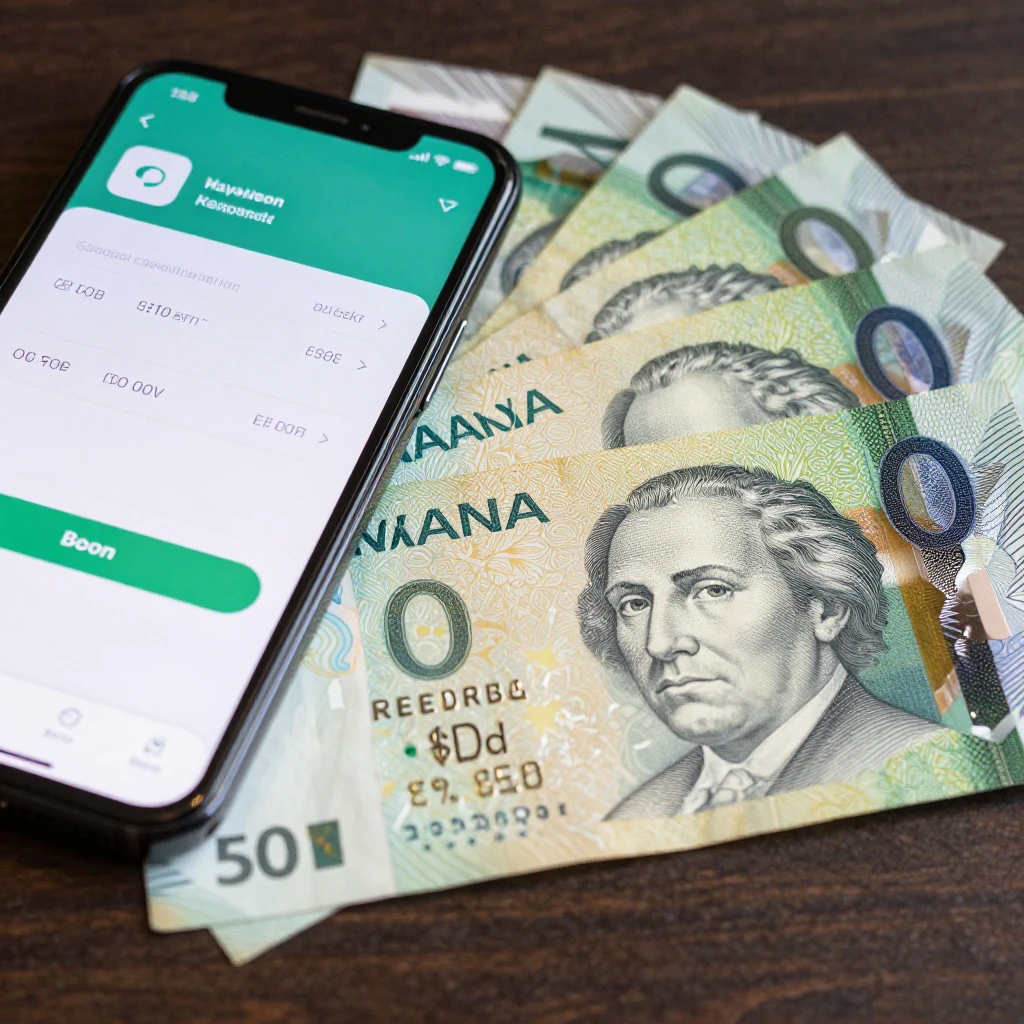
How money moves is where theory meets reality. For a Quebec player in 2026, the usual options are Interac e-Transfer and Interac Online, Visa and Mastercard, PayPal where supported, e-wallets like MuchBetter, prepaid vouchers, and crypto at sites that take it. One honest caveat: crown-corporation platforms and offshore sites run different payment rails, so what works at one may not exist at the other. Canadian-issued credit cards also get declined for gambling transactions all the time — don't be surprised if your card fails.
Deposit Methods That Work Reliably in Quebec
- Interac e-Transfer: fast, usually free or low-cost, tied directly to your bank account. It leaves a clear transaction record, which is great for budgeting and disputes.
- Visa/Mastercard: instant when accepted, but declines are common on Canadian-issued cards, and credit card gambling can mean cash-advance fees and interest. Debit prepaid cards fare better.
- PayPal and e-wallets (MuchBetter, similar): quick, and they add a layer of separation from your bank. Fees vary, and the transaction history is clear.
- Prepaid vouchers: good for strict budgeting and privacy, but usually deposit-only, so you'll need another method to withdraw.
- Cryptocurrency: fast and private on supported sites, but price swings can change what you actually receive, and records are your responsibility.
My rule of thumb: pick a method that leaves a clean paper trail. If a dispute comes up, a dated bank or wallet record is worth far more than a vague memory.
Payout Speed, Currency, and Tax Treatment
Check whether your account runs in CAD or USD. A USD account means conversion costs on deposits and withdrawals both, and those small percentages add up fast.
Typical withdrawal windows look like this:
- E-wallets: often 24 to 72 hours after approval.
- Bank transfers: commonly 3 to 7 business days.
- Cards: similar to bank transfers, sometimes longer.
Two things slow people down. The first is the pending period — that window where the casino holds your request and lets you reverse it. Plenty of players do exactly that, then lose the money. The second is identity verification. Expect to send ID and proof of address, and do it early rather than the moment you're trying to cash out.
On taxes: gambling and lottery winnings generally aren't taxable for recreational players in Canada. Winnings inside a registered account, or income from gambling at a professional scale, can be treated differently. Win a large sum and talk to an accountant — not a blog post. This one included.
Comparing Platforms Safely: How French-Language Resources Help
Plenty of comparison sites are written in English, aimed at 'Canada' as one big market, and built to funnel clicks. That's a poor fit for Quebec, where the legal setup, the banking quirks, and even the language of support differ from Ontario or British Columbia. A French-first resource written for this market saves hours of independent research, especially when it tracks licensing, payout complaints, and Quebec-specific payment issues.
For Quebecers who want a starting point on site comparisons, licensing notes, and payout experiences, the guide to casinos en ligne québec at Palomar MTL lays the information out in French and points it at the provincial market. That said, a comparison site is a research shortcut, not a replacement for reading the operator's own terms. Use it to build a shortlist, then verify every detail that matters yourself.
What a Good Comparison Resource Should Actually Show
Whatever site you use, hold it to a standard:
- The named licensing authority for each operator, not just 'licensed.'
- Verified payout complaints or documented player experiences, rather than pure star ratings.
- Explicit bonus terms, including wagering, caps, and expiry.
- Supported banking methods, and whether CAD is available.
- A clear disclosure that the site earns affiliate revenue.
And if every platform on a list scores 9.5 out of 10, distrust the list. Real comparisons have weaknesses, and honest ones tell you what they are.
Responsible Gambling Tools for Quebecers
Good tools are your safety net, so set them up before your first deposit — not after a bad night. At the platform level, look for:
- Deposit limits (daily, weekly, monthly).
- Loss limits that stop play once you hit a set amount.
- Session timers and reality checks that remind you how long you've been playing.
- Time-outs for a short cooling-off break.
- Self-exclusion for longer periods when you need real distance.
At the provincial level, Quebecers can enrol in self-exclusion programs and access publicly funded help, including Gambling: Help and Referral (Jeu : aide et référence), a free service offering 24/7 bilingual support. Calling commits you to nothing. It's confidential, and it's built for people who just want to talk.
One more thing worth saying plainly: offshore sites aren't obliged to offer these tools, or to honour them the way a regulated operator must. That alone is a good reason to prefer licensed platforms with player-protection features you can see.
Frequently Asked Questions
Is online casino play legal for Quebec residents?
Loto-Québec's online platform and operators licensed through bodies such as the Kahnawà:ke Gaming Commission are the recognized channels. Many offshore sites accept Quebec players but operate outside provincial regulation, so check the rules and your own comfort level carefully.
What is the difference between Loto-Québec and offshore sites?
Loto-Québec is the provincial operator, subject to Quebec oversight and its responsible gambling programs. Offshore sites are licensed (if at all) elsewhere, so complaint routes, player protections, and tool availability can differ a lot.
How long do withdrawals usually take?
E-wallets often arrive within 24 to 72 hours after approval, while bank transfers and cards can take 3 to 7 business days. Identity verification and pending periods can add time, so submit your documents early.
Do I pay tax on winnings?
Gambling winnings are generally not taxable for recreational players in Canada. Registered accounts and professional-scale activity are different cases, so see an accountant for large sums.
Which language will customer support use?
Depends on the operator. Regulated and Quebec-focused platforms usually offer French support, but many offshore sites only offer English or limited French by email. Test the chat before you deposit.
Final Thoughts: A Checklist, Not a Shortcut
All of the above comes down to a three-part test. First, is the operator licensed by a regulator I can name? Second, are the terms and payout limits clear before I deposit? Third, do I have limits and support in place before I start? Any 'no' in there means no deposit.
Treat comparison resources like Palomar MTL as research tools, not recommendation engines, and always confirm the details at the source. Then set a budget you can lose without consequence, treat bonuses as marketing rather than free money, and step away when it stops being entertainment. Rules, licenses, and platform terms change often, so verify what applies in 2026 before you sign up anywhere.